

If you’re a Columbus landlord or small investor trying to decide whether Section 8 Rental in Columbus, GA is worth the extra paperwork, this guide walks you through how the program actually works – eligibility, inspections, profitability, and the local resources you’ll need.
A Section 8 rental is a housing unit where the landlord accepts a tenant who holds a federal Housing Choice Voucher, meaning a portion of the rent is paid directly by the local housing authority on the tenant’s behalf. In Columbus, GA, the Columbus Housing Authority (CHA) administers these vouchers, processes landlord payments, and schedules the required inspections.
How Section 8 Works for Columbus Landlords
A Section 8 rental is a privately owned home or apartment where HUD, through CHA, pays part of the tenant’s rent directly to the landlord. The basic flow:
- A tenant who holds a valid voucher from CHA applies to rent your property
- You screen the tenant using your standard criteria
- You and the tenant submit a request-for-tenancy approval to CHA with proposed lease terms
- CHA schedules and conducts an HQS inspection of your unit
- Once the unit passes and CHA approves the lease, the housing authority sends its portion of the rent each month
That’s the simple version. In practice, landlords don’t just collect rent – they manage approvals, inspections, lease paperwork, and CHA timelines on an ongoing basis. For some owners, that’s a fair trade for reliable income. For others, it’s a second job they didn’t sign up for.
Who Qualifies for Section 8 Vouchers?
Landlords don’t decide who receives a voucher – that’s entirely up to CHA and HUD, based on income limits, household size, and compliance history. Tenants who approach you typically already cleared CHA’s screening.
As a landlord, you still need to apply your own standard screening – voucher award letter, ID, income verification, credit and background checks, and references – while staying within fair housing law on source-of-income discrimination. It’s another layer of responsibility on top of running the property, and not every owner wants to keep managing that process indefinitely.
Renting to Section 8 Tenants: How Involved the Process Really Is
Getting a unit into the program is structured, not complicated – but it is involved:
- Pre-screen the tenant using your usual criteria
- Confirm the voucher is current directly with CHA
- Submit a request-for-tenancy approval with proposed rent and lease terms
- Schedule the initial HQS inspection
- Make any required repairs and request re-inspection if needed
- Sign the lease with HUD-required addenda
- Coordinate move-in once CHA approves and the unit passes
If that sounds like more paperwork and waiting than you want to deal with, selling the property as-is may be worth considering instead of running this process every time a unit turns over.
Is a Section 8 Rental Actually Profitable?
This is the question that matters most. Section 8 can be profitable, but only if the property stays in compliance and you stay on top of repairs. The voucher portion is reliable as long as the unit passes inspection and the tenant stays in good standing.
Here’s where it falls apart: if your unit fails an HQS inspection, voucher payments can pause until you make repairs and pass a re-inspection. Consider two scenarios:
- Consistent occupancy – Twelve months of CHA payments arriving on schedule, routine maintenance, predictable cash flow
- Vacancy and inspection failures – Deferred maintenance leads to a failed inspection, two months of lost voucher income during repairs, then another vacant month while a new tenant is placed – three months of lost income can wipe out half a year’s profit margin on a modestly priced Columbus rental
The steady-rent benefit that makes Section 8 appealing can disappear fast once repairs and inspections start piling up. That’s exactly the point where some landlords decide the rental isn’t worth the upkeep anymore.
Inspection Standards: The Part That Wears Landlords Down
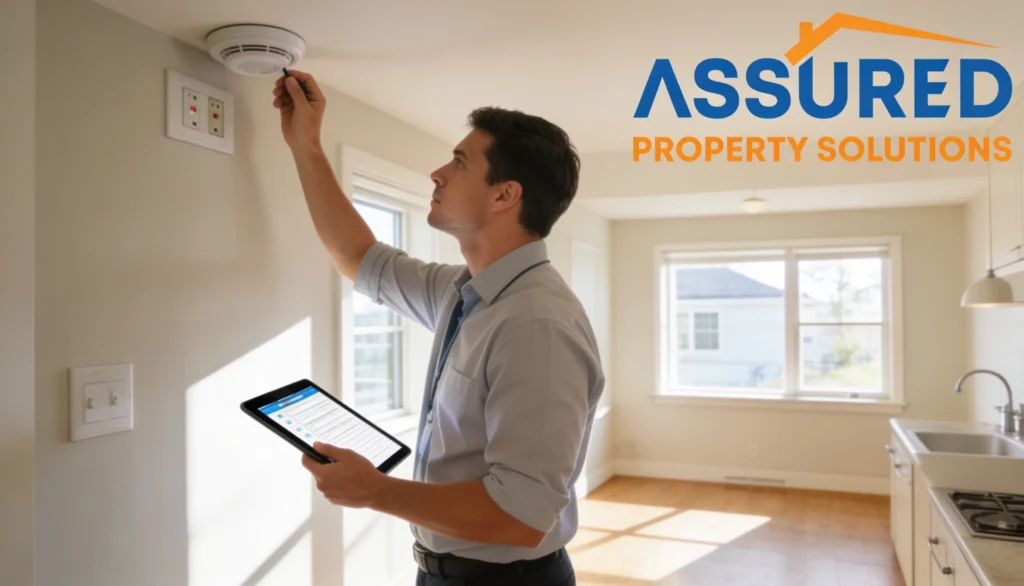
HQS inspections are HUD’s baseline safety and habitability criteria, examining utilities, electrical systems, plumbing, doors and windows, heating and cooling, and general safety items like smoke detectors and peeling paint.
Inspections aren’t a one-time event – CHA conducts periodic re-inspections, typically annually. If your unit fails, payments may be suspended until the deficiency is corrected. For properties built before 1978, lead-based paint adds another layer of consideration.
This is one of the biggest reasons landlords get tired of Section 8. A failed inspection means payments stop, repairs become urgent, and you’re spending money out of pocket just to keep the income flowing again. If you’re already feeling behind on maintenance, this cycle can be the breaking point.
Common Myths About Section 8 Rentals
Myth: Section 8 tenants always cause more property damage. Outcomes depend far more on your screening process and how actively you manage the property than on whether a tenant holds a voucher.
Myth: Renting to Section 8 is always riskier than renting privately. When a unit and tenant remain in good standing, the voucher portion is one of the most reliable income streams a landlord can have.
Myth: Inspections are just red tape. Regular inspections do catch small maintenance problems before they become expensive failures.
Even when tenants are solid and the myths don’t apply to your situation, the paperwork, inspections, and compliance requirements may still make the rental more than some owners want to keep managing. That’s a legitimate business decision, not a failure.
Should You Keep It or Sell It? Run the Numbers
A basic spreadsheet can answer this honestly. Don’t just model whether Section 8 pencils out – compare keeping the rental against selling it outright.
For keeping the rental, account for:
- Estimated gross rent (voucher share plus tenant’s portion)
- Property taxes and insurance
- A realistic maintenance and repair reserve
- Expected vacancy and inspection-related downtime
- Financing costs
- Your own time managing tenants, paperwork, and CHA coordination
For selling, compare that against:
- A straightforward as-is cash offer
- No repair costs, no inspection risk, no ongoing paperwork
- A closing timeline you control instead of one dictated by CHA approvals
Once you factor in the stress and time cost alongside the financial numbers, a low-margin Section 8 rental often looks a lot less appealing next to a clean, no-obligation cash offer.
Local Resources for Columbus Landlords
The Columbus Housing Authority’s Section 8 page has program details, forms, and contact information. The Georgia Housing Choice Voucher program page offers statewide guidance. Both are useful if you’re confirming current rules or deciding whether to keep the property in the program.
If you’ve already checked the rules and decided you don’t want to keep managing the property, a local cash buyer is another option worth considering.
When Selling a Section 8 Rental Makes Sense
Selling tends to make the most sense when the property keeps failing inspections, repairs are eating into your cash flow faster than rent can cover them, you’re tired of the paperwork and CHA timelines, the tenant situation has become difficult, or you simply want out of the rental business altogether.
None of these mean you did something wrong. Section 8 works well for some landlords and becomes more trouble than it’s worth for others – and there’s nothing wrong with deciding it’s time to move on.
Ready to Move On From Your Section 8 Rental?
If inspections, repairs, tenant turnover, or compliance paperwork have made your Section 8 rental more headache than income, you don’t have to keep managing it. A local cash buyer can make a no-obligation offer and purchase the property as-is – even if it needs work, even if a tenant is still in place. No repairs to make, no inspections to pass, and no waiting on CHA approvals before you can close.
Frequently Asked Questions
Can I sell a Section 8 rental in Columbus, GA with a tenant in place?
Yes. Many cash buyers purchase tenant-occupied properties, including ones with a Section 8 voucher holder still living there. The sale doesn’t require the tenant to move out first – terms can be worked out as part of the purchase agreement.
Do I have to make repairs before selling a Section 8 rental?
No. A cash sale is typically as-is, meaning you don’t need to fix anything before closing. This is one of the biggest differences from staying in the program, where failed inspections can force repairs before payments resume.
What happens if my Section 8 rental keeps failing inspections?
Repeated failed inspections mean repeated pauses in voucher payments until repairs are made and the unit passes re-inspection. If this becomes a recurring cycle, the income reliability that made Section 8 attractive in the first place starts to break down.
Can a cash buyer purchase a tenant-occupied rental?
Yes. Tenant-occupied properties, including Section 8 units, are a common type of purchase for cash buyers and investors. You don’t need to wait for a lease to end before exploring a sale.
Is selling better than keeping a low-profit Section 8 rental?
It depends on your numbers and your tolerance for ongoing management. If repairs, inspections, and paperwork are consistently eating into your margin, a no-obligation cash offer is worth comparing against what you’d actually net by continuing to hold and manage the property.
Who qualifies for Section 8 vouchers in Columbus?
Eligibility is determined by CHA based on HUD income limits and household size. Landlords don’t decide who qualifies but can verify a tenant’s voucher status directly with CHA.
What is the typical timeline for voucher approvals and inspections?
Timelines vary by CHA’s workload. The general stages are: submit the tenancy approval request, CHA schedules an HQS inspection, the unit passes or repairs are made, the lease is signed, and the tenant moves in. Check CHA’s Section 8 page for current processing estima