
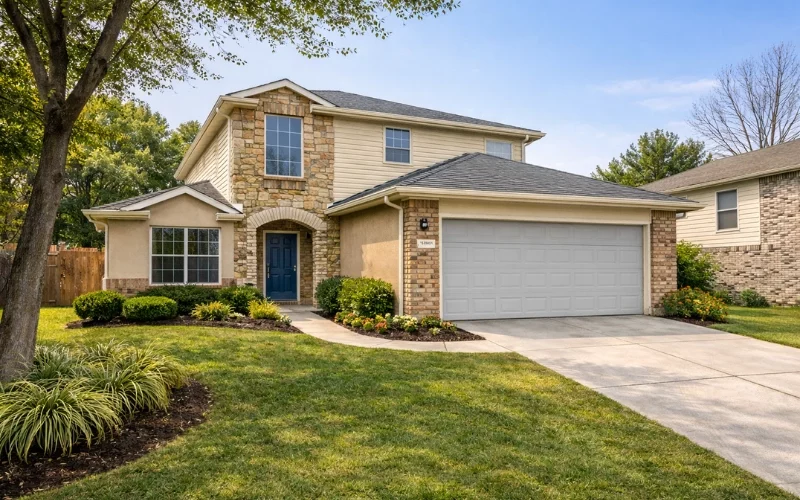
Living in a neighborhood with a homeowners’ association can be frustrating, particularly when you’re trying to sell. Countless rules about common areas, parking arrangements, property exteriors, and more make it feel like the board has more control over your property than you do. On top of that, these days it’s hard to find a buyer who isn’t actively looking for HOA-free properties. Tons of Georgia homeowners eventually reach a point where they start asking if they can get rid of it and just move to a new neighborhood.
When it comes down to it, there’s no cut-and-dry answer. Dissolving or opting out of an HOA is incredibly rare, but HOA issues don’t automatically make your sale feel like a Sisyphean task. In this guide, we’ll look at what the law in Georgia allows, and where homeowners often get hung up. We’ll make sure you’ve got the information you need to find the path that makes sense for you.
Can an HOA legally stop you from selling your home in GA?
In most cases, an HOA can’t legally stop anyone in Georgia from selling their home. As the homeowner, you still have a practical and legal right to sell your home. The HOA board, nor any single HOA board member have the authority to block a sale just because they don’t like the buyer or the timing of the transaction.
With that in mind, HOAs do have some leverage with their governing documents. The property’s covenants, conditions, and restrictions can mandate that dues be current or that any violations be disclosed before closing. If those issues aren’t taken care of, they can delay the sale or scare buyers off.
Problems are common when sellers mix up inconvenience with prohibition. HOA can delay the paperwork and the process. They can enforce architectural controls or even threaten legal action if there are unpaid violations or assessments. Either way, those still only impact the process, not the ownership.
The “Statutory Expiration” Loophole: Are Your Covenants Even Valid?
Some homeowners are frequently surprised to find out that some HOA covenants don’t last forever. Under state law, certain declarations of covenants expire. They have to be periodically renewed, so if they aren’t, the HOA’s authority may be far weaker or even altogether eliminated.
The biggest factors are how the community was formed and which statutes apply. Older neighborhoods, voluntary HOAs, and associations that failed to properly renew under the Georgia Property Owners’ Association Act are the first to look at.
Figuring this out usually means going through county land records and original legal documentation tied to the property. Even if the covenants have expired, it won’t mean a quick fix. Validity verification adds time, and sellers who are trying to close soon may not want to gamble on how long the process will take on one or more legal interpretations. This factor can even determine if digging into the covenant expiration is worth it, or if selling might make more sense.
Dealing with the “Closing Letter” (Estoppel): Why It’s the Key to Closing
The estoppel letter, often called the closing letter, is one of the most important HOA documents in a sale. It confirms the current balance of HOA fees, any outstanding assessments, active violations, and whether there’s an assessment lien on the property.
Without a closing letter, most buyers and reputable title companies won’t move forward in closing. The purpose of an estoppel letter is to protect everyone involved with the sale. It’s a measure against having surprise debts surface after the sale. It also serves as another slice of the whole property picture that the buyer needs.
Delays during estoppel usually happen when the HOA is slow or disorganized. Missing meeting minutes, poor property management records, and outdated financials can all stall the process.
Getting estoppel early can pay off later. Last-minute problems, especially ones that add to closing costs, can delay closing or derail the whole deal.
Selling with Active Violations: Can You Pass the Fines to the Buyer?
Even the most egregious, active HOA violations can’t automatically kill a sale. They do, however, instantly change the negotiations. Covenant violations that are tied to architectural controls, design guidelines, parking rules, or stringent maintenance standards are the most common. These violations will easily become buyer leverage points.
Sometimes, buyers will assume some degree of responsibility for correcting the issues. Other times, they’ll demand price cuts or credits. The goal depends largely on the buyer’s plans for the property, but the buyer’s tolerance for dealing with the HOA board of directors after closing will also figure in.
Sellers should be wary of assuming fines can simply transfer without consequences. Some violations require resolution before closing. Again, check governing documents like the articles of incorporation for your specific community association.
The “Super Lien” Myth: Do HOA Debts Get Paid Before the Mortgage?
Many homeowners worry that HOA debts automatically outrank their mortgage. In Georgia, that’s usually not the case. Mortgage liens typically have priority over HOA assessment liens, meaning the mortgage gets paid first in most foreclosure sale scenarios.
That doesn’t make HOA debt harmless. Unpaid assessments can still create legal problems, delay closings, and complicate title transfer. Mortgage holders and title companies still require HOA balances to be addressed before a sale can move forward.
What If the HOA Has “Right of First Refusal”?
Some HOAs include something called a “right of first refusal clause” in their governing documents. This means the HOA or community association has the option to match the buyer’s offer before the sale can proceed. On paper, that can sound intimidating, but in reality, it almost never stops a sale. Most HOAs don’t have the funds or the interest in the property to purchase individual homes. The point of the clause is to give the board time to review the buyer and make sure the sale won’t have any detrimental effect on property values or community living.
Problems usually only pop up when the sellers aren’t prepared. Missing paperwork and foggy timelines can be as frustrating as slow responses from the board. Just knowing the clause is in your HOA’s governing documents can help you get ready for the review period, so things keep moving.
Why “Dissolving” the HOA Is Usually a Dead End for Sellers
A lot of homeowners feel like the best way to control their own property is to dissolve the HOA when things feel too restrictive. The downside is that it’s not really a realistic option for many sellers. HOA dissolution is notoriously difficult, and it usually needs a unanimous or supermajority vote. This alone often takes time, and it has to comply with the Georgia Nonprofit Corporation Code. This takes time that a lot of sellers don’t have.
How to Bypass “Rental Restrictions” to Sell to an Investor
Rental restrictions are a common pain point for sellers in condo HOAs or communities with strict caps. These rules typically limit the number of homes that can be rented at any one time. This reduces the pool of investor buyers.
This doesn’t mean selling to investors is off the table, but it does mean it takes a different approach. Some buyers focus on buying properties to hold, rather than to immediately rent. Others may already own units in the community and may qualify under existing rules. Sometimes, there may be hardship exceptions or waiting lists.
This will vary drastically from one association to another. Always confirm your information with your association’s governing documents.
For properties with broader issues, like a history of deferred maintenance or excessive clutter, investor interest is still possible. It’s even possible to quickly and easily sell a hoarder house or other problem property. It all comes down to finding a buyer willing to deal with the HOA rules rather than avoiding them.

Assured Property Solutions: We Buy “Problem HOA” Houses As-Is
HOA issues don’t disappear just because a house goes on the market. Violations, unpaid fees, and slow board responses can drag out a traditional sale. Assured Property Solutions offers a different path for homeowners who want to avoid those delays.
Instead of requiring repairs, rule compliance, or lengthy approval cycles, Assured Property Solutions purchases homes as-is. That means sellers don’t have to resolve every violation or negotiate with an HOA board before closing. This option works well for homeowners facing time pressure, financial strain, or ongoing disputes with their association.
The process also applies to nearby communities like Midland and Fort Mitchell, where HOA structures and enforcement can vary widely. Sellers who are focused on certainty over hardline negotiations find that a cash sale cuts out most of the friction and stress of traditional listings.
Conclusion
HOA issues can be a big deal, and they can complicate the average listing sale more than it needs to be. From estoppel letters to violations and liens, the process can feel stacked against you.
On the upside, your HOA won’t eliminate your ability to sell. Knowing your options and which battles are worth fighting can help cut down time and stress. If you’re ready to sell your house simply and without delays, reach out to Assured Property Solutions. We can help you craft a stress-free exit plan for your Georgia home.